Deck & Commander Strategies

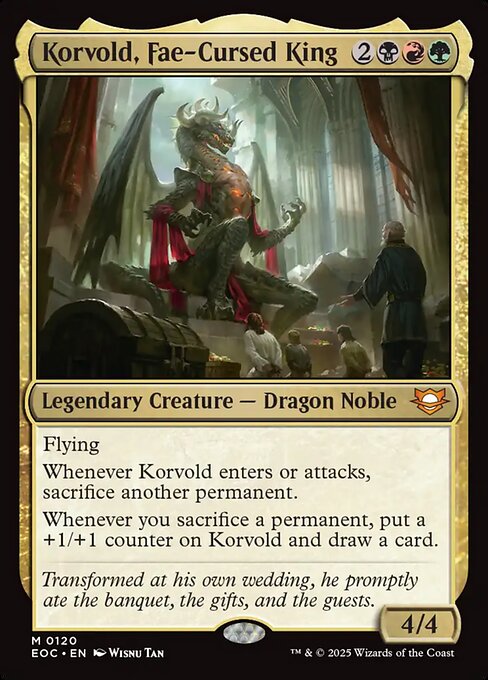
Korvold, Fae-Cursed King
A sacrifice and value engine deck that generates card advantage and board presence by sacrificing permanents, often winning through overwhelming incremental advantage and powerful creatures.


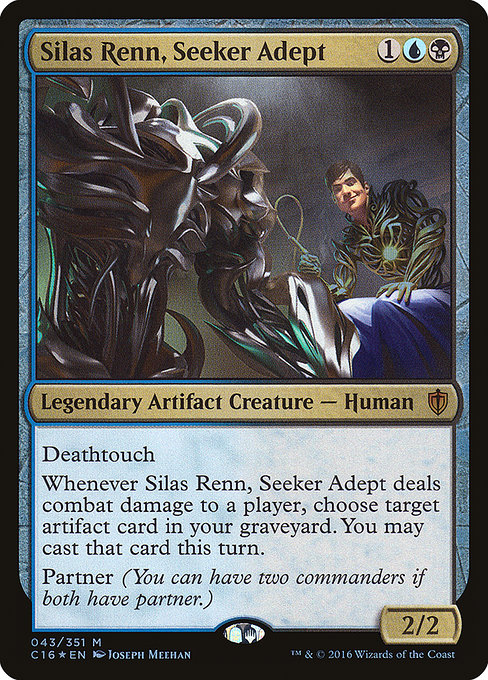
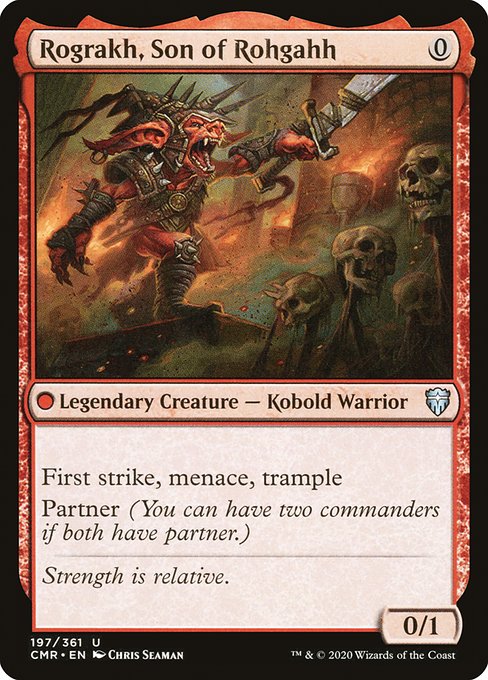
Rograkh, Son of Rohgahh / Silas Renn, Seeker Adept
A partner combo and disruption deck that leverages token generation, sacrifice synergies, and tutoring to control the board and execute combos.

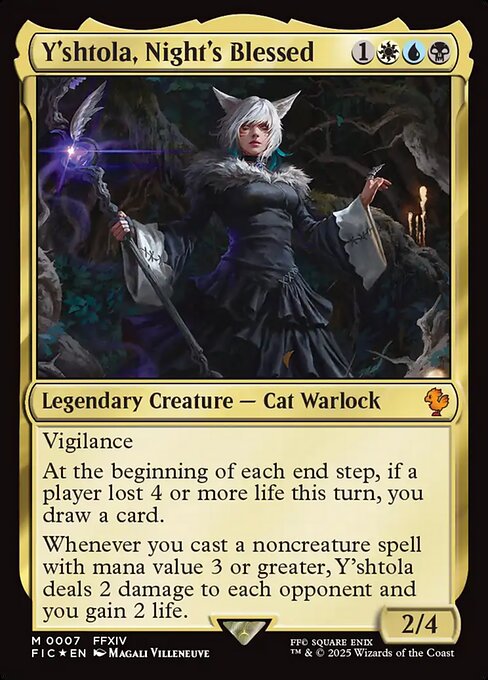
Y'shtola, Night's Blessed
A toolbox and control deck that uses incremental advantage through card draw and value creatures, focusing on controlling the board and out-tempoing opponents.
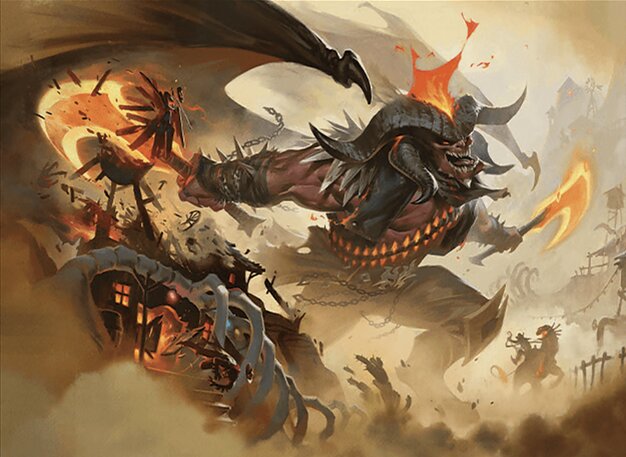
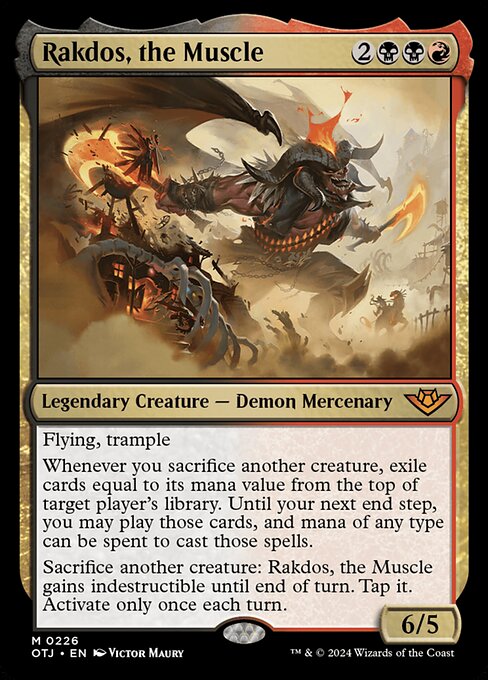
Rakdos, the Muscle
A fast mana and aggressive threat deck that gains advantage from being hellbent and plays efficient creatures and disruption to close out the game quickly.
Gameplay Insights
- 1
Early mana acceleration with lands like Ancient Tomb and fast mana artifacts allowed players to deploy threats and interaction quickly, setting a fast pace for the game.
- 2
Rhystic Study taxed opponents heavily, forcing them to either pay or allow extra card draw, which influenced how aggressively players could act.
- 3
The use of Clever Impersonator and other clone effects to copy valuable creatures created unexpected board states and disrupted opponents' plans.
- 4
Land recursion and mill synergy from Ice Tunnel Explorer and other cards helped maintain board presence and resource flow, especially in combination with sacrifice and graveyard interactions.
- 5
Players carefully managed tutor spells like Vampiric Tutor and Entomb to find key combo pieces or answers, swinging the tempo of the game in their favor.
- 6
Incremental advantage engines such as Tatyova and Master of Dark Rites sustained card draw and board development, allowing players to keep pace in a high-pressure environment.
Notable Cards
-
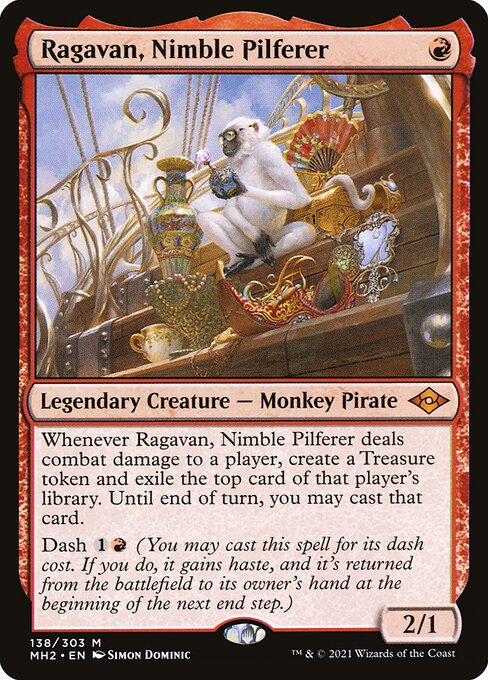
Ragavan, Nimble Pilferer
-
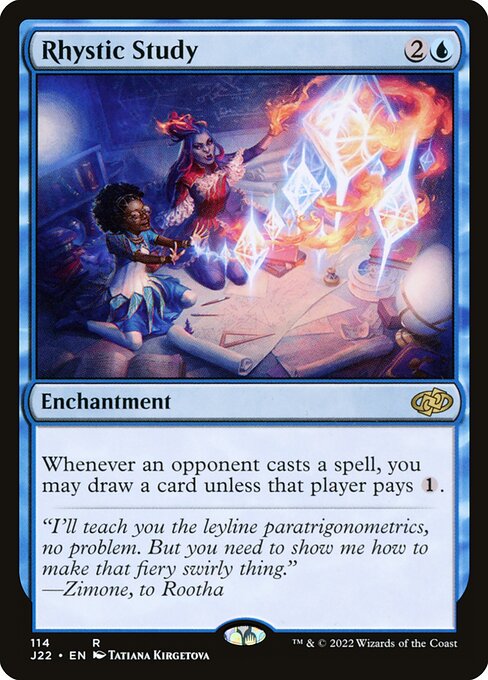
Rhystic Study
-
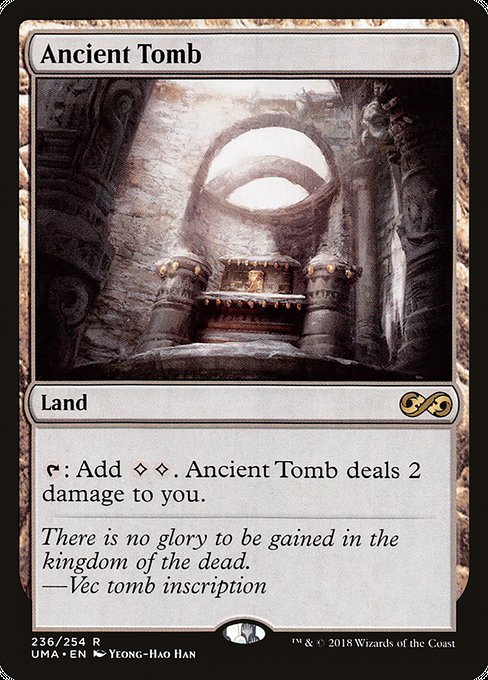
Ancient Tomb
-
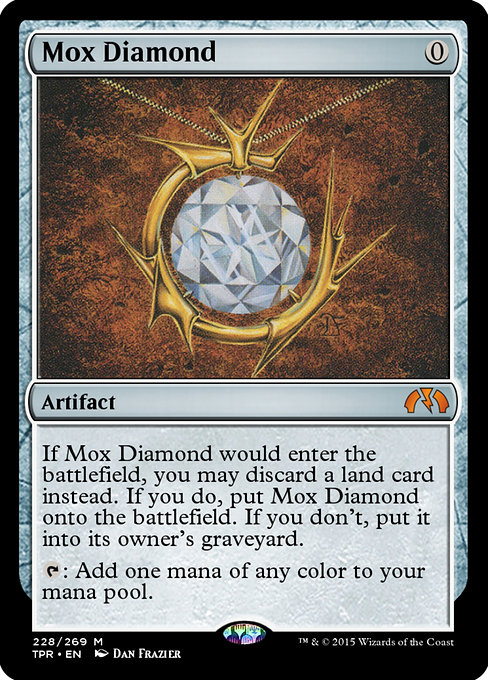
Mox Diamond
-
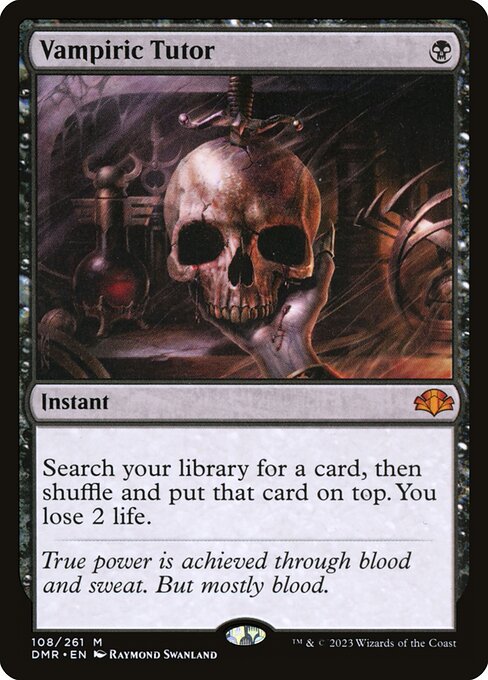
Vampiric Tutor
-
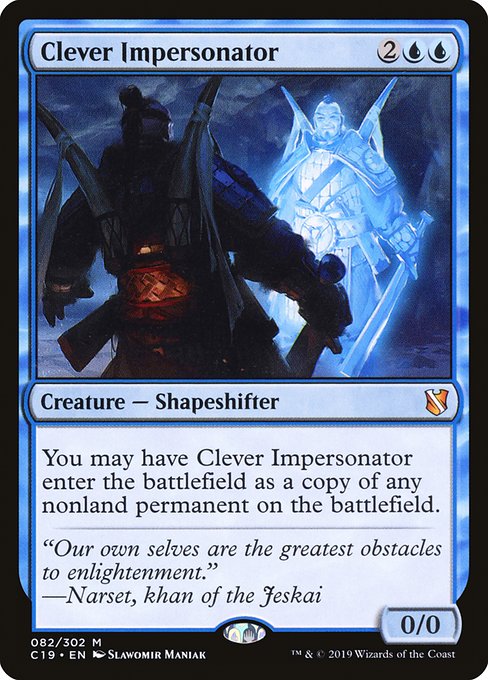
Clever Impersonator
-
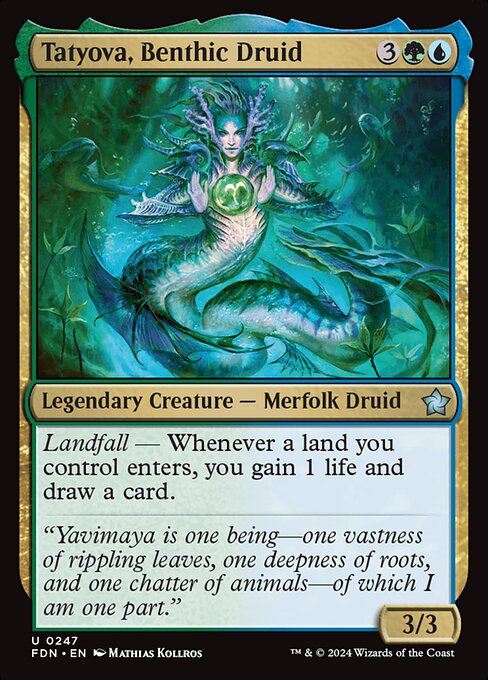
Tatyova, Benthic Druid
-
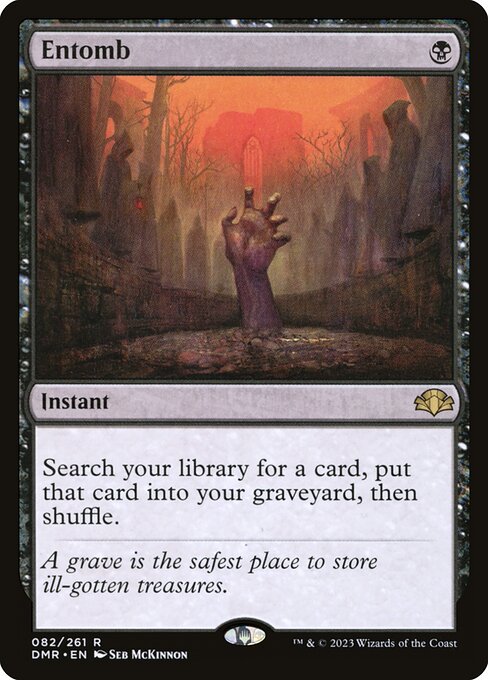
Entomb
-
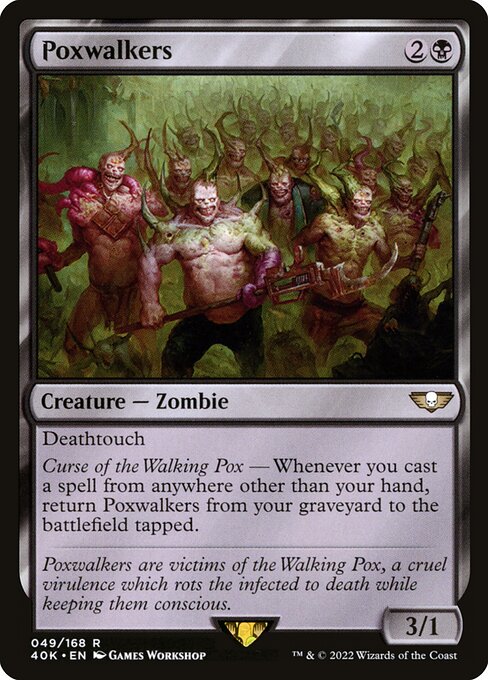
Poxwalkers
-

Talisman of Indulgence
-
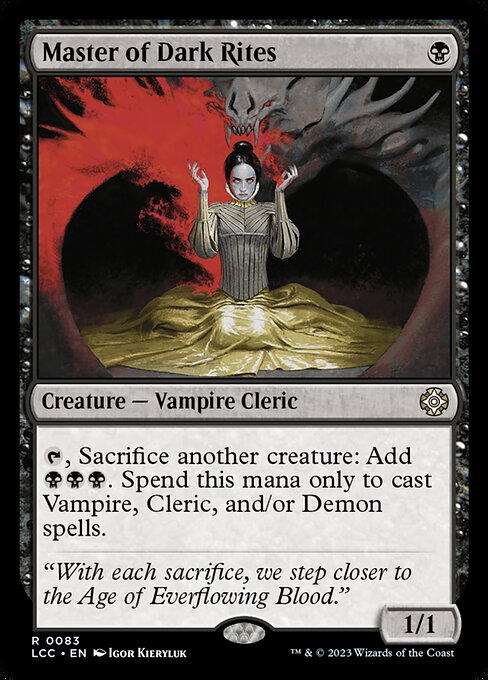
Master of Dark Rites
Gameplay Summary
The game began with aggressive mana development and early plays from each player, setting up their respective strategies.
Korvold, Fae-Cursed King focused on accumulating value through sacrifice and card draw, while the Rograkh/Silas partner deck aimed to leverage token generation and disruption.
Y'shtola played a toolbox style, utilizing incremental advantage and control, and Rakdos, the Muscle sought to capitalize on fast mana and efficient threats.
Early turns saw key plays like Ragavan casts, Rhystic Study dropping to tax opponents, and fast mana sources such as Ancient Tomb and Mox Diamond coming into play, establishing a high-speed cEDH environment.
Midgame, players began deploying significant threats and interaction pieces, such as Clever Impersonator copying impactful creatures, and a sequence of land drops triggering mill effects and graveyard plays, especially from Ice Tunnel Explorer and land recursion.
A pivotal moment occurred when Tatyova, Benthic Druid and Bala Gedon were played, enabling card draw and board control.
Entomb and Vampiric Tutor were utilized to find combo components or disruptive creatures.
The game featured tight resource management with Rhystic Study demanding responses and players carefully sequencing their plays to maximize value and minimize risk.
Multiple players maintained pressure through incremental advantage engines while watching for combo opportunities. By the later stages, the board was balanced with multiple ongoing engines, but no immediate win was secured as players controlled the tempo and interaction tightly.
The game highlighted the importance of managing early mana acceleration, disruption, and value engines in cEDH, with each commander executing their plan to maintain relevance and threaten victory.
The interplay between land recursion, card draw, and sacrifice effects shaped the pacing and decision-making throughout the match.